
The Work Beneath the Work - How Teams Really Work
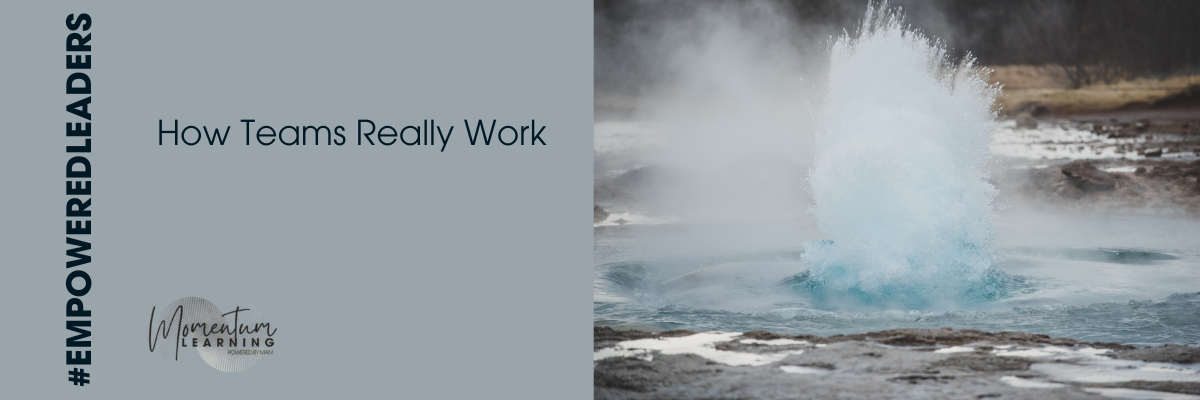
How Teams Really Work
Most leadership teams believe they understand how they work together.
They know who brings ideas, who keeps things moving, who asks the hard questions. Over time, teams develop rhythms and roles that feel familiar and functional. Much of the time, these ways of working are effective.
Until pressure arrives.
Under pressure, something shifts. Conversations shorten. Decisions speed up. Curiosity narrows. People stop raising concerns that feel risky or inconvenient. Silence begins to substitute for agreement. These changes rarely arrive all at once. They accumulate quietly until the team realises it is no longer having the conversations it once did.
This is not a failure of character or commitment. It is a predictable response of human systems under load.
Psychologist Daniel Kahneman demonstrated that when cognitive load increases, people default to habits rather than reflective thinking. Teams behave the same way. Under pressure, they revert to what feels efficient, familiar, or safe, even when those habits no longer serve the work.
Pressure does not fundamentally change a team.
It reveals it.
What becomes visible under pressure are the underlying patterns that were already present. Who speaks when time is tight. Who withdraws. How disagreement is handled. Whether questions are welcomed or quietly discouraged.
Many teams misinterpret these patterns as interpersonal issues. Someone is “difficult.” Someone else is “disengaged.” In reality, what they are seeing are systemic responses to pressure.
When teams build shared awareness of these patterns, behaviour stops feeling personal. Curiosity replaces blame. Conversations become clearer and less emotionally charged. Decisions become more deliberate.
Shared awareness does not remove pressure.
It reduces friction.
And reduced friction frees up energy for the work that actually matters.
Reflective questions
What patterns show up most clearly in our team when pressure increases?
Which of these patterns help us, and which quietly get in the way?
What changes if we treat these as system behaviours rather than personal traits?
Go with shared awareness this week
Mary-Anne